
MODULE 2
Putting It All Together
Course Outline
- Module 1
So You Have a Story to Tell - Module 2
Putting It All Together - Module 3
Just Write! - Module 4
Dealing With Triggers - Module 5
An Overview of Defamation, Libel, Slander, and NDAs - Module 6
The Writing is Done … Now What? - Module 7
Bringing in the Outside World - Module 8
Some Motivation Before We Say Goodbye
Now that you’ve answered the preliminary questions in Module 1, it’s time to do a “brain dump” … create a list of all the pertinent topics/events that you want to include in your story, or themes/lessons learned, etc. No need to organize these yet, just get them all down. Write down every idea that comes to mind, no matter how messy. Once you think you have a complete list, leave it for a day, then go back to it. Other events/ideas may have come to mind, so add those to the list.
There are two ways to do this:
1) Use a blank piece of paper. Research has shown that writing something down (physically, rather than on a computer) can be more impactful. Using pen and paper also allows you to draw arrows, boxes, etc … which can help you to organize your thoughts.
2) Use Microsoft Word or Google Docs on your computer. If you prefer to use your computer, that’s perfectly fine too! (And certainly this method is easier than the pen and paper method, once you come to reorganizing!)
Part 2: Take a look at the work you did for Part 1. Do you have anything else to add? Anything to change? Take some time to do that now.
Part 3: When you’re sure you have a complete list, it’s time to organize it into the order in which you’d like it to appear in the final product. Many people will organize their story according to themes or topics (eg The Drugging and Drinking Years; My Time in Recover, etc) while others will go strictly in a chronological order. It’s totally up to you.
Note: This is the first module of the course that will vary slightly, depending on the final product you’re working toward.

If you are on Path 1 or Path 2, you’ll be creating a title for your story, the sub-headings to be included, and the content for each. A good rule of thumb is to have around 6 sub-headings.

If you are on Path 3, you’ll be creating not only the book title, but also the chapter titles and sub-titles, as well as the content that you want to include in each. A good rule of thumb here is to aim for 10 chapters, with approximately 6 sub-titles per chapter. Keep in mind that the order of chapters might change as the writing begins. But for now, it’s best to figure out everything you want to include in the book.

- This is a LOT to remember. I’m sure I’m going to forget something.
-
I think I like the way I’ve organized everything. But what if I change my mind?

- Don’t worry about forgetting anything. There will still be time to add new material when you start writing your story. ln fact, it is often during the writing stage that “forgotten” ideas come to light.
- Your outline is meant as a roadmap, but it’s not the only route! Just as when you’re physically driving somewhere, when you get into the writing process you might decide that you want to follow a different path. And that’s okay.
Time to Regroup!
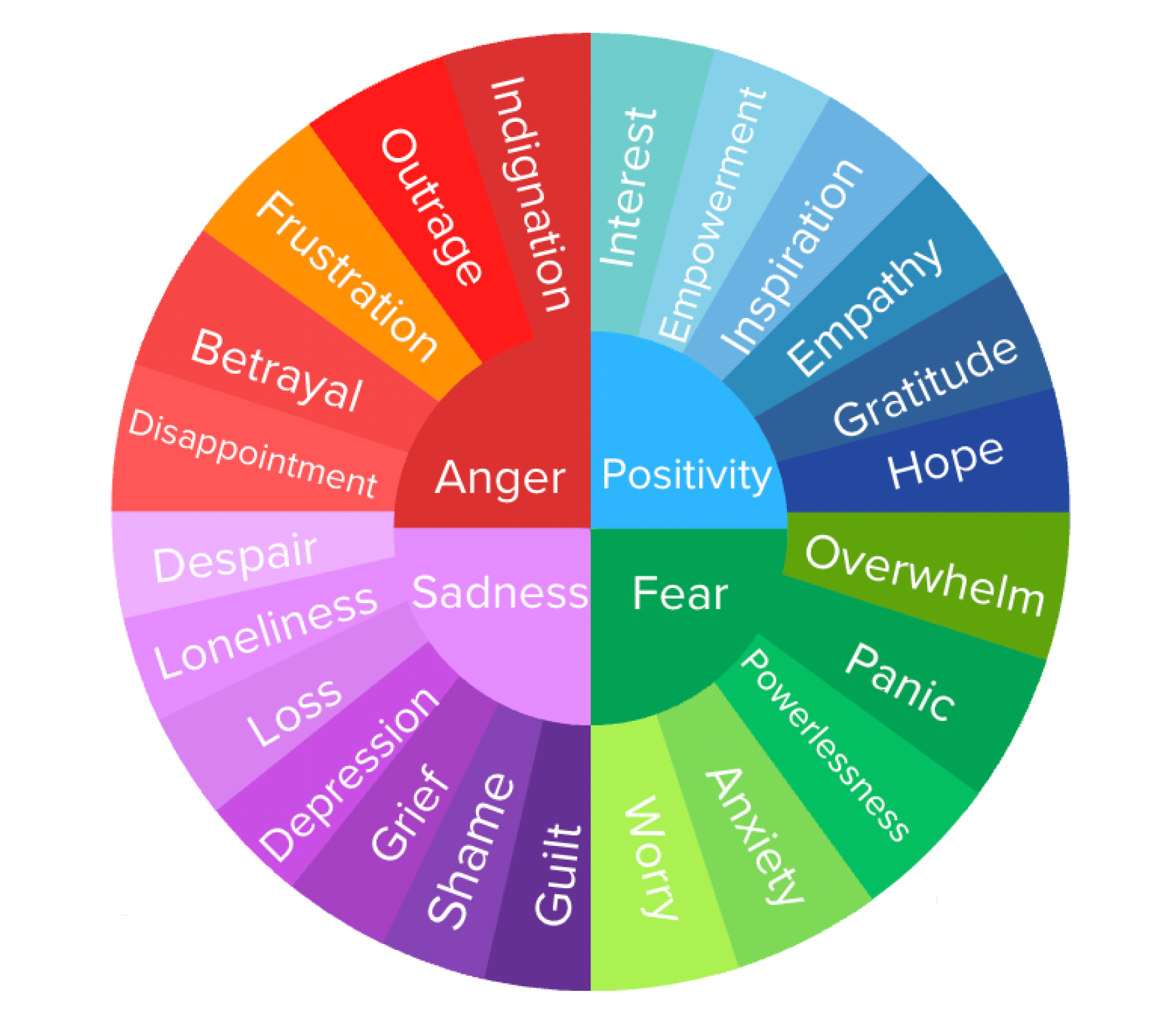
Now ask yourself, “How do I feel?” “Why do I feel that?”
(You can write down your answers by downloading the pdf or in a notebook)
Want Help Publishing Your Story?

Meet Lisa Browning! It all started when she launched One Thousand Trees in 2010 where she has had the honor of helping empower others by offering platforms through which to share their stories. Lisa has always been passionate about mental health awareness and advocacy, and I have lived experience with trauma and abuse. Lisa developed this course so people can have access to steps on how to tell your story.
Lisa is here to help you get your stories out into the world!