
MODULE 5
An Overview of Defamation, Libel, Slander, and NDAs
Course Outline
- Module 1
So You Have a Story to Tell - Module 2
Putting It All Together - Module 3
Just Write! - Module 4
Dealing With Triggers - Module 5
An Overview of Defamation, Libel, Slander, and NDAs - Module 6
The Writing is Done … Now What? - Module 7
Bringing in the Outside World - Module 8
Some Motivation Before We Say Goodbye
* * * DISCLAIMER * * *
THIS IS NOT LEGAL ADVICE, THIS IS A GENERAL INFORMATIONAL OVERVIEW.
PLEASE SEEK PROFESSIONAL LEGAL COUNSEL BEFORE PUBLISHING YOUR MATERIALS.
Just as your health and wellbeing is important, so too is ensuring your legal safety. While this module provides general information about libel, slander, etc … this information is NOT to be considered legal advice. It is crucial that you reach out to a lawyer prior to publishing your story, to ensure that nothing you include is actionable.
Your story will, no doubt, include references to perpetrators and other individuals who played a role in the abuse you were subjected to. Regardless of where your story will be published, it is important to be aware of what you can and cannot say, without running the risk of being sued for defamation, libel, or slander. There could also be non-disclosure agreements that will come into play. This module will make you aware of some of the legalities.
Defamation is defined as a false statement that lowers the reputation of another person, imputes improper or disreputable conduct, or has the tendency to injure, prejudice, or disparage that person in the eyes of a reasonable person.
Libel and slander are both types of defamation. Libel is an untrue defamatory statement that is made in writing. Slander is an untrue defamatory statement that is spoken orally.
Non-Disclosure Agreements (NDAs) are legal contracts that prevent one or more parties from sharing specific confidential information with others.
Whenever you write or speak publicly about another person without their written authorization, you run the risk of legal action against you. It is crucial, therefore, to ensure that anyone you include in your story has either approved what you have said. If you don’t have their approval, it is imperative that you speak with a lawyer, for your own protection as well as anyone who may assist you in bringing your story to the public.
Changing the name and identifying characteristics of anyone mentioned in your story, and providing a legal disclaimer, are also options to consider. However, even though these precautions may render a lawsuit difficult to win, they do not stop anyone from initiating the lawsuit. Consult a lawyer should you have any concerns whatsoever.
* * * DISCLAIMER * * *
THIS IS NOT LEGAL ADVICE, THIS IS A GENERAL INFORMATIONAL OVERVIEW.
PLEASE SEEK PROFESSIONAL LEGAL COUNSEL BEFORE PUBLISHING YOUR MATERIALS.
Just as your health and wellbeing is important, so too is ensuring your legal safety. While this module provides general information about libel, slander, etc … this information is NOT to be considered legal advice. It is crucial that you reach out to a lawyer prior to publishing your story, to ensure that nothing you include is actionable.
Time to Regroup!
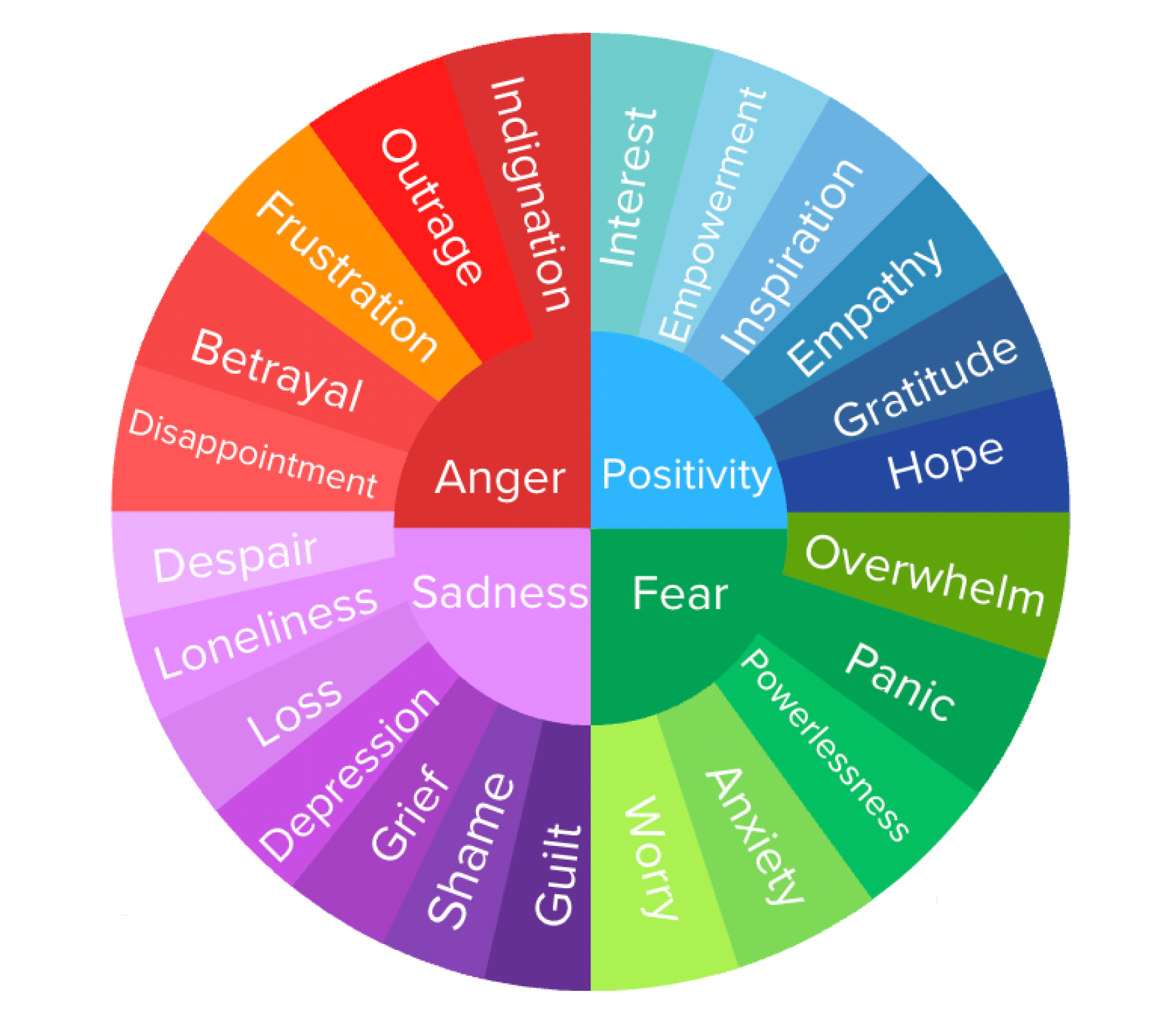
Now ask yourself, “How do I feel?” “Why do I feel that?”
(You can write down your answers by downloading the pdf or in a notebook)
Want Help Publishing Your Story?

Meet Lisa Browning! It all started when she launched One Thousand Trees in 2010 where she has had the honor of helping empower others by offering platforms through which to share their stories. Lisa has always been passionate about mental health awareness and advocacy, and I have lived experience with trauma and abuse. Lisa developed this course so people can have access to steps on how to tell your story.
Lisa is here to help you get your stories out into the world!