
MODULE 3
Just Write!
Course Outline
- Module 1
So You Have a Story to Tell - Module 2
Putting It All Together - Module 3
Just Write! - Module 4
Dealing With Triggers - Module 5
An Overview of Defamation, Libel, Slander, and NDAs - Module 6
The Writing is Done … Now What? - Module 7
Bringing in the Outside World - Module 8
Some Motivation Before We Say Goodbye
Many published authors will agree that finding the time (and holding that time!) to write is one of the more difficult things to do. Others will say that the most difficult thing to face is writer’s block. This module will give you tips on how to set up and stick to a routine, and a space in which you feel comfortable and inspired to write. We’ll also provide some tips on dealing with writer’s block.
Tips for Setting Up Your Writing Routine
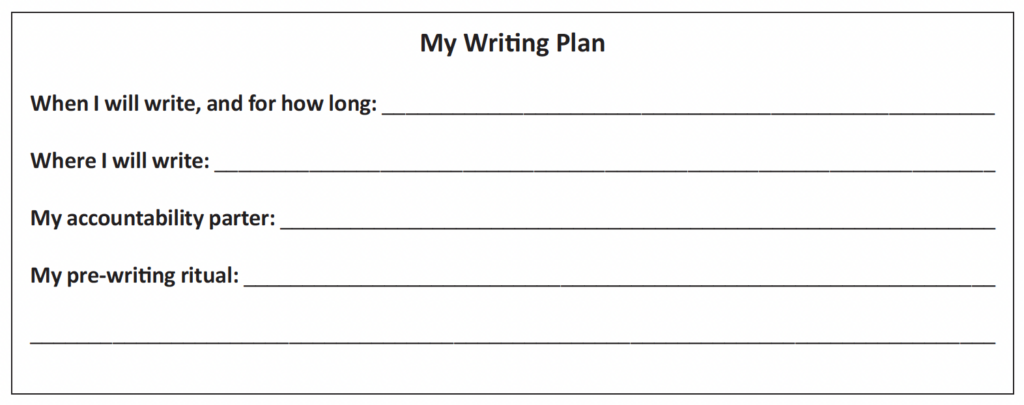
1. Select time and frequency. Decide what time of day you will write, how often, and for how long. Some people find early mornings the best time to write, while others may choose to do so late at night.
2. Consider your space. Figure out a location in which you will write, where you will feel comfortable and do your best work. This could be a spot in your home, or at a local coffee shop. If you’re at home, consider the sound around you as well. Some people prefer silence, while others prefer music or the busy sounds of a restaurant or coffee shop.
3. Schedule your writing sessions in your calendar. Treat your writing time as you would a medical appointment or a lunch get-together with a friend. You are scheduling time with yourself, for yourself, and that’s important too.
4. Consider an accountability partner. If you think you’re going to have trouble keeping to your writing schedule, perhaps a friend or family member will agree to be your accountability partner, to keep you on track.
5. Create a pre-writing focus ritual to activate your creativity. Take a walk, pour yourself a cup of tea, or light a candle, as a formal way of signifying that it’s time to begin writing.
Suggested Word Count
Depending on which path you have chosen (which final product you’d like to create), the word count you’re aiming for will vary. Following are some suggested word counts for various end products, just to give you an idea of what to strive for:

- Speech (10-18 mins): 1,100-2,700 words (average 150 words per minute of speaking)
- Story for anthology (6-8 pages): 2,310-3,080 words
- Magazine article: 1,000-2,500 words

- Full-length memoir (120-150 pages when formatted): 60,000-90,000 words
How to Deal with Writer’s Block
Writer’s block is often related to anxiety, stress, or burnout. It can also be a response to fear. The fear of not being good enough. The fear of not finishing. The fear of failure and of success. The fear of beginning at all. Here are a few tips to deal with it:
- Take a break: Step away from your work to do something else. Go for a walk, get a snack, or do a physical activity to get your blood flowing.
- Focus on a different aspect: If you’re stuck on a one particular part of your story, skip it and work on another part of the story. You can come back to the difficult part whenever you feel ready.
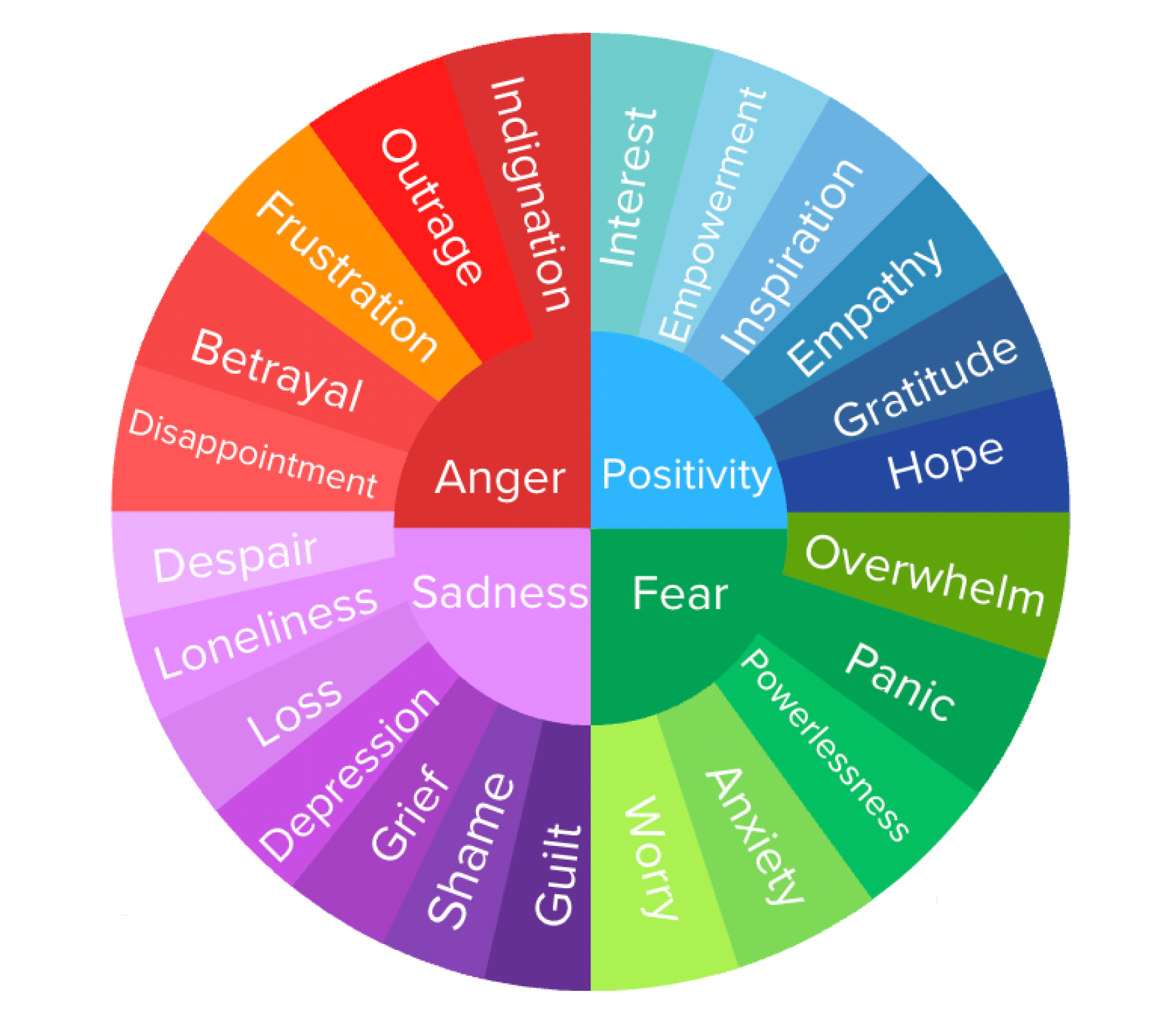
- Connect with your emotions: Take some time to check in with your feelings. Is the section you’re working on bringing up negative emotions for you? If so, give yourself the time you need to process those emotions.
From your very first session, write freely and as quickly as you can. Don’t worry about correcting or rewriting at this stage. Just get it all down on paper (or
computer). And remember, you can always email lisa@onethousandtrees.com if you need guidance or support.

I’m so bad at creating and sticking to schedules like this. More like, I’m good at creating routine ideas but rarely successful in executing them. Help!

It is important that you do what feels right for you, so that you stay engaged in the process, and happy about doing so. Some days might be different than others. You might choose to write in the early morning one day, and late at night the text. As long as you’re writing regularly, you’ll be on track to completing your story, and that’s the main thing.
Time to Regroup!
Now ask yourself, “How do I feel?” “Why do I feel that?”
(You can write down your answers by downloading the pdf or in a notebook)
Want Help Publishing Your Story?

Meet Lisa Browning! It all started when she launched One Thousand Trees in 2010 where she has had the honor of helping empower others by offering platforms through which to share their stories. Lisa has always been passionate about mental health awareness and advocacy, and I have lived experience with trauma and abuse. Lisa developed this course so people can have access to steps on how to tell your story.
Lisa is here to help you get your stories out into the world!