
MODULE 4
Dealing With Triggers
Course Outline
- Module 1
So You Have a Story to Tell - Module 2
Putting It All Together - Module 3
Just Write! - Module 4
Dealing With Triggers - Module 5
An Overview of Defamation, Libel, Slander, and NDAs - Module 6
The Writing is Done … Now What? - Module 7
Bringing in the Outside World - Module 8
Some Motivation Before We Say Goodbye
Therapist Vidoe ON Dealing With Triggers Coming soon!
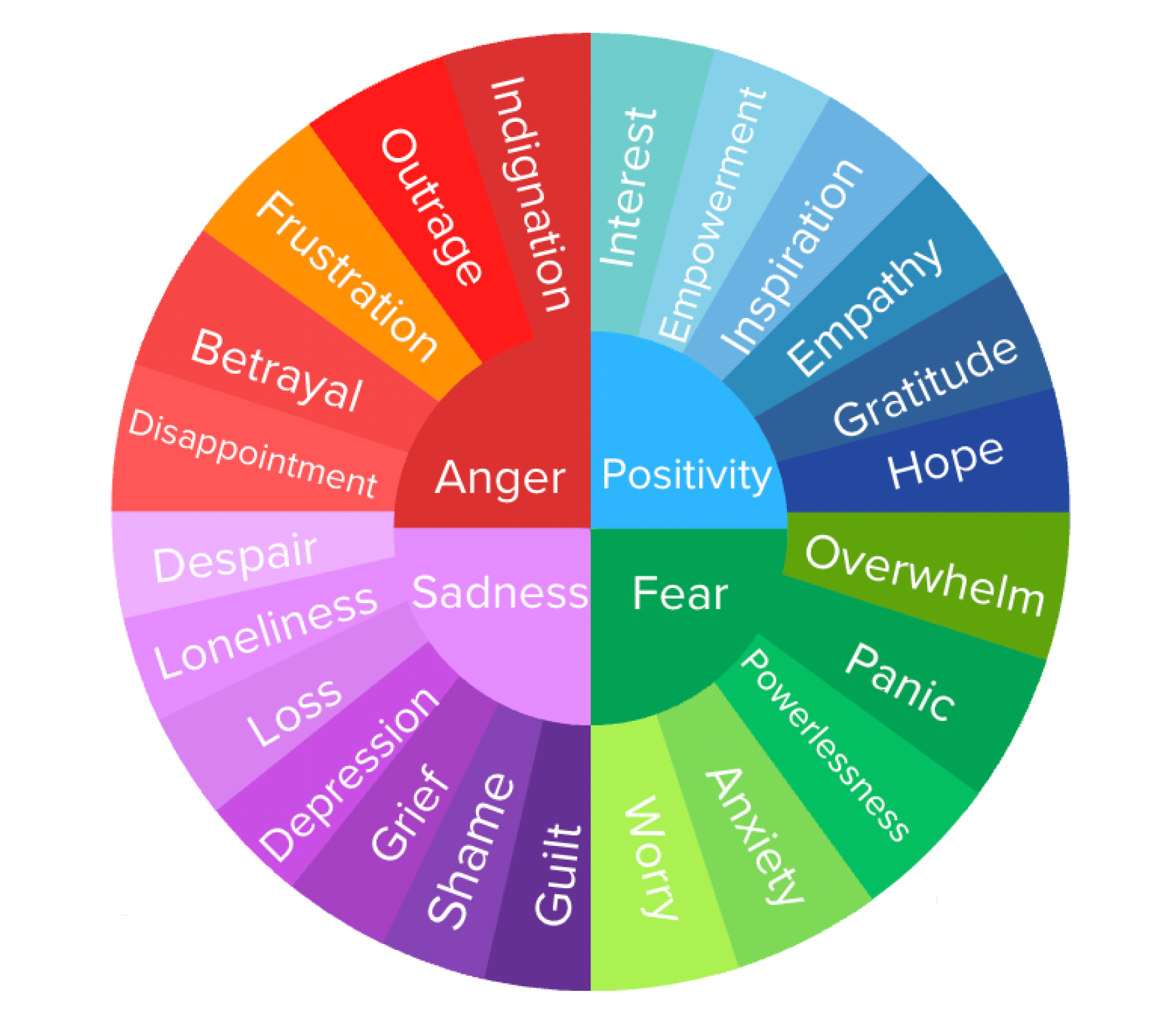
Because your story is so personal, and requires that you look back into traumatic situations, we want to ensure that you are equipped to deal with triggers, and all the emotions that might come to the surface as a result of this process.
* * *
Nothing is more important than your health and wellbeing. If you reach a point where you are feeling triggered by what you are writing, please connect with someone—either a therapist or a friend or family member—who can help you through it. Return to writing (or to writing the section of your story that triggered you) only if and when you feel prepared to do so. The tips below are NOT to be considered professional advice.
The following are tips to keep in mind:
Before a trigger happens:
- Build self-awareness: Keep a journal to track what triggers you and the specific physical and emotional reactions you have to them.
- Develop a safety plan: Create a plan for when you might be triggered, which could involve having a friend on call, planning to leave a situation, or using a specific grounding technique.
- Practise relaxation and mindfulness: Make grounding techniques like deep breathing, progressive muscle relaxation, or a 5-4-3-2-1 sensory exercise a regular part of your routine so they are easy to access when needed.
- Create mental barriers: Practise creating a mental barrier between yourself and a distressing event, such as imagining a brick wall or setting a mental timer before you’ll acknowledge the stressor.
- Prioritize self-care: Engage in activities that bring you joy and a sense of control, such as hobbies, exercise, or spending time in nature.
When a trigger occurs:
- Notice and name it: Acknowledge that you are triggered and name the feeling without judgment.
- Use grounding techniques: Immediately use the grounding techniques you’ve practiced. Focus on your breath and use your five senses to connect with the present moment, such as by naming five things you can see.
- Employ your safety plan: Follow through with the steps you’ve planned. This might mean physically removing yourself from the situation, calling a trusted person, or using a specific relaxation technique to soothe your nervous system.
- Resist the urge to suppress feelings: It’s okay and normal to feel a range of emotions like sadness or anger. Accepting these emotions without judgment can help you move toward recovery.
- Take an opposite action: When triggered, your instinct might be to fight, flee, or freeze. The CEO method suggests taking an action that is opposite to what your trigger is telling you to do, after you’ve taken a moment to calm yourself.

1.How do I determine if I’m safe enough in my own well-being to handle writing?
2.How can I create a more emotionally safe process for me when working on writing my story?
Time to Regroup!
Now ask yourself, “How do I feel?” “Why do I feel that?”
(You can write down your answers by downloading the pdf or in a notebook)
Want Help Publishing Your Story?

Meet Lisa Browning! It all started when she launched One Thousand Trees in 2010 where she has had the honor of helping empower others by offering platforms through which to share their stories. Lisa has always been passionate about mental health awareness and advocacy, and I have lived experience with trauma and abuse. Lisa developed this course so people can have access to steps on how to tell your story.
Lisa is here to help you get your stories out into the world!